
Located on the southern portion of the province, the municipality of Cauayan has a rugged topography. Mt. Malipantao, considered the highest peak in the province, separates the municipality from the town of Candoni and the city of Sipalay. Portion of the ranges are the remaining thick forest that needs protection where the watershed is located. The remaining portions of the municipality are slightly rolling to moderate large areas of flat lands center on the different barrios, which is much suited to agriculture.
Long before the Spaniards came to Negros, this town was a wilderness and primitive people depended on hunting and fishing for a living. The town was covered with bamboo thickets called Kawayan in the local dialect, hence the name “Cauayan”.
During the Spanish era, a seat for the municipal government was sought. Guiljungan, Cauayan and Isio were candidates but Isio prevailed as it was more populated. It got the honor of being the center of government although gobernadorcillos were accorded to Cauayan and Guiljungan.
Not much progress happened to the town at that time since the Spanish rulers were reluctant to educate their subjects. Even when they built schools, only a few privileged were admitted to them. There were no roads and most people were required to render forced labor.
All these changed when the Americans came in 1904. The tribunal in Isio was shifted to Cauayan and this fostered development. The natives were taught modern ways to raise crops, and schoolhouses, roads and bridges were constructed. Not even the Japanese occupation could disrupt the development of the town since then.
When I first came in the municipality I was amaze with the beautiful beaches and the famous Parola, located along the road of cauayan Negros Occidental. Here is some picture of mine when I was there.
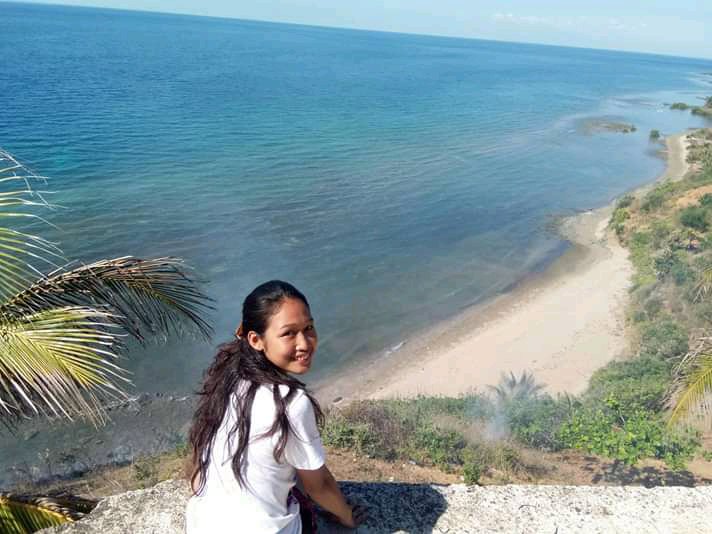
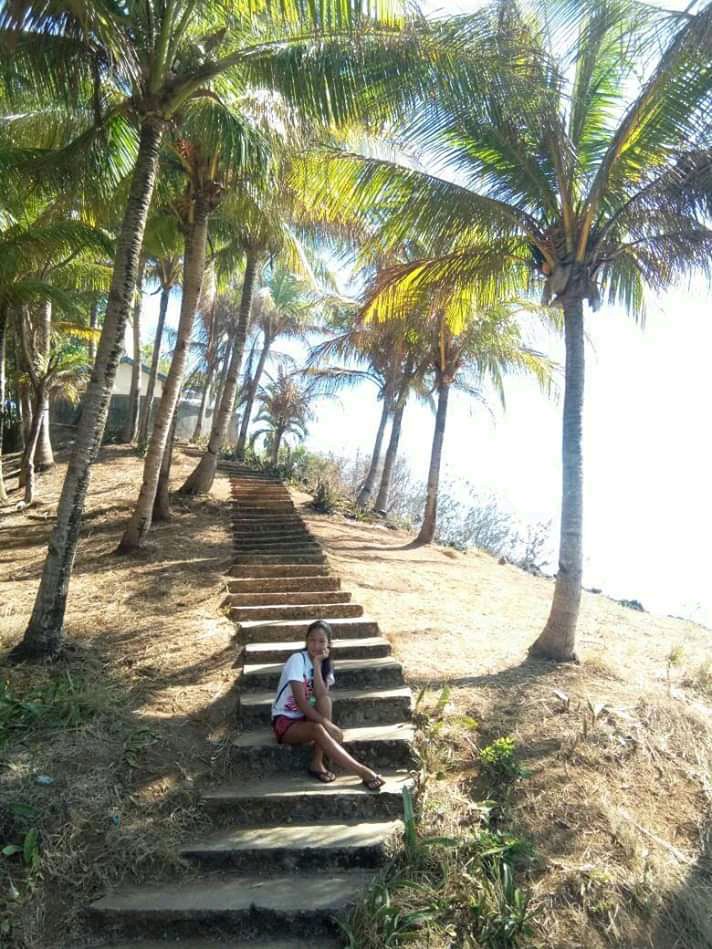
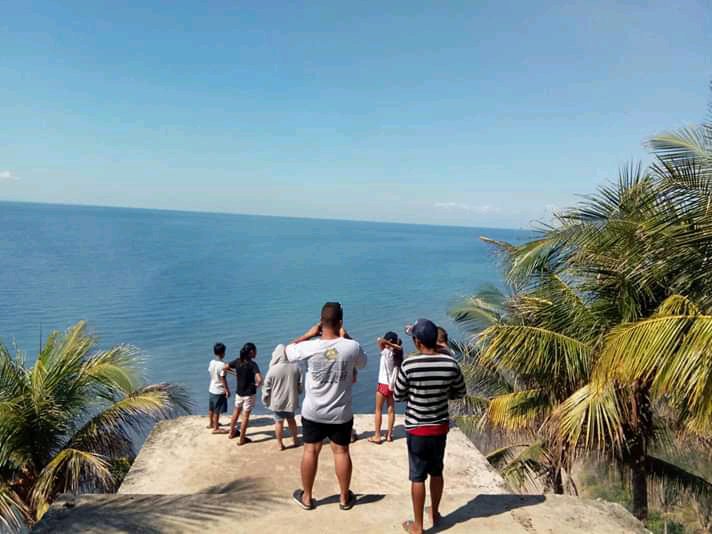
You can see how amazing parola is, it is also besT to go there with it is sunset because it is a perfect place to watch sunset because you can see the whole ocean. You can visit there any time, I am inviting you to go there and experience the place of Cauayan Negros Occidental.
 Wandering Edsie